Gazing at the Moon
What’s not to love about our beautiful Moon?
A ball of rock and regolith, covered in craters, reflecting sunlight back on us to light our night sky and guide us home.
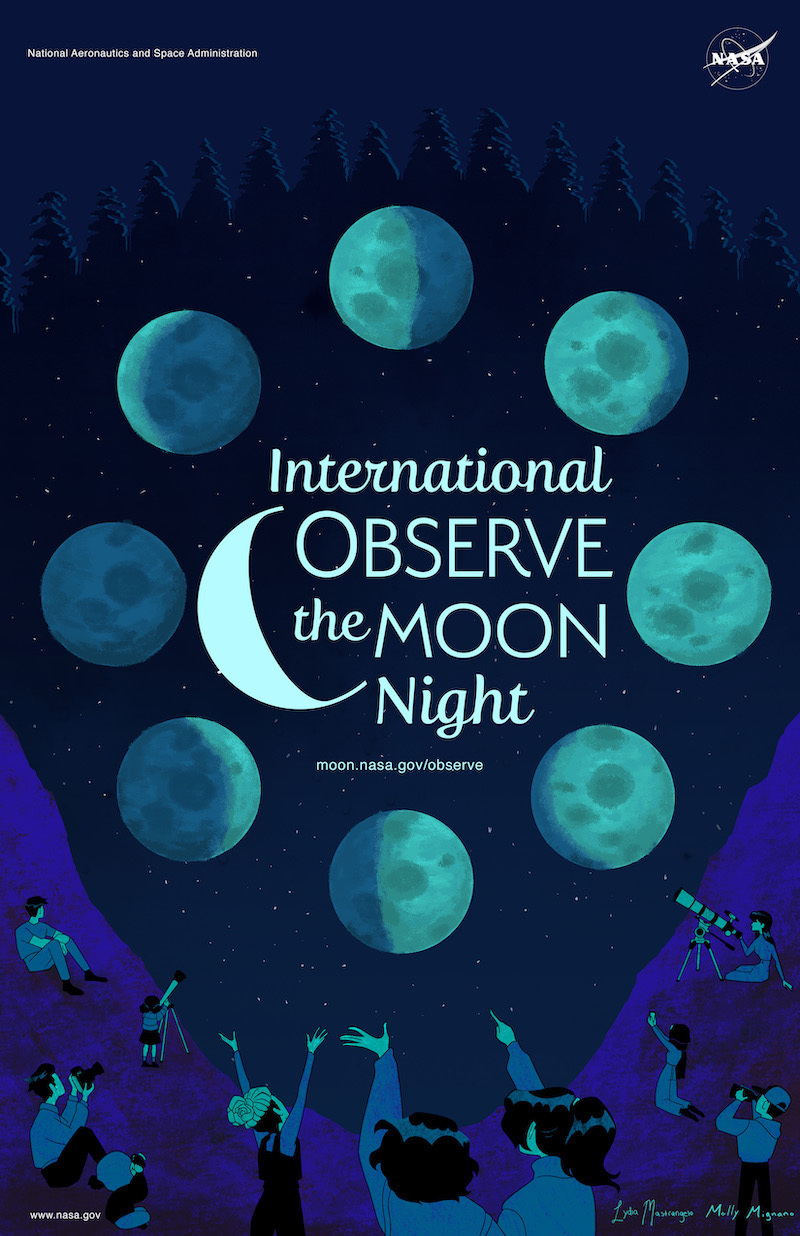
This week we celebrate NASA’s International Observe the Moon Night.
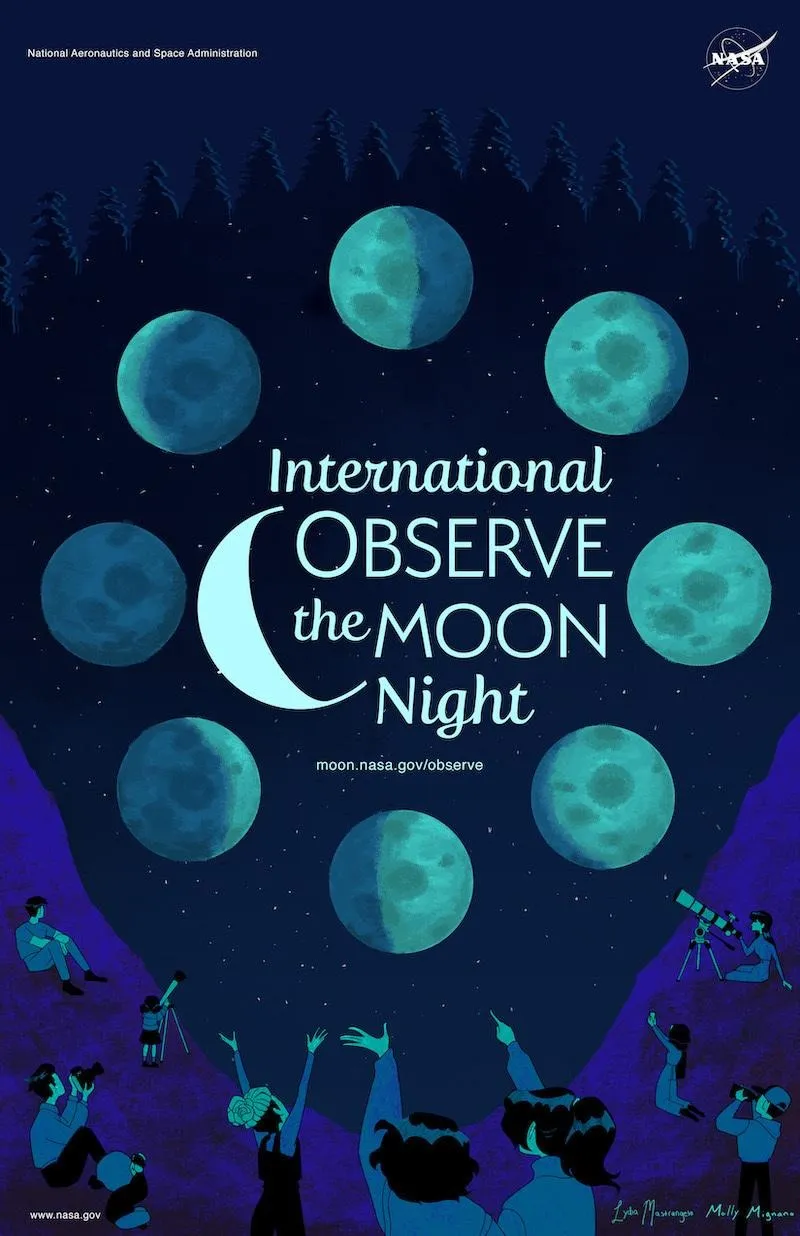
Source: NASA
For us here in Bendigo, this event falls on Friday 3 October. Luckily, this is a Sidewalk Astronomy night where local members of the Astronomical Society of Victoria set up their telescopes outside Discovery for everyone to come and have a look at the sky. Provided the clouds don’t spoil the fun, you will be able to look more closely at the moon – and at other celestial objects like Mars, globular clusters, nebula and star systems like Alpha Centauri.
NASA has released some maps of the moon showing important features, like craters and ‘seas’ (Mares) as well as places where humans have landed so far. You will be able to look for some of these features through ASV telescopes on Friday.
Make sure you click on the maps for the Southern Hemisphere!
What will we see on International Observe the Moon Night in 2075?
On Friday, we will see the moon as it looks right now.
This got me thinking about what the moon might look like to people fifty years from now – in 2050.
If you look at NASA’s map, you will see that there are a number of places on the moon where humans have already landed on the Moon.
Both the US and China want to put astronauts on the Moon again by 2030 – that’s only five years away.
NASA’s Artemis project aims to send astronauts around the moon and back next year, while China’s Chang-e program hopes to land the crewed Lanyue lander by the end of the decade.
Rare isotope found on the Moon
A rare isotope, helium-3, was discovered on the Moon’s surface during the Apollo program. It is created naturally on the Moon as a result of solar wind particles accumulating on the surface.
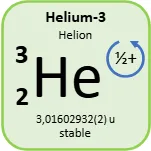
Helium-3 is so rare on Earth that it currently costs about $US20million per kilogram – it is like a modern-day gold rush to get to the Moon and its treasure. The idea of being able to mine an abundant source of valuable helium-3 has become very attractive.
Countries like the US , China, Russia, India and Japan would all like a slice of the action.
Why are people so interested in helium-3?
Helium-3 is needed for the development of cutting-edge technology – like quantum computing, medical imaging and, the big prize, to develop nuclear fusion technology which could potentially produce cheap, non-polluting energy -- perhaps forever.
Mining helium-3 on the Moon won’t be easy though – you have to get there; you need specialised equipment; you need to build a moon base; you need to cope with low gravity and no atmosphere, and you need to work out how to manage all the moon dust. You would also need A LOT of $$$$$.
The race is ON!
The next 50 years is going to be interesting on the Moon
https://www.youtube.com/watch?v=NqjdscQUo3o&t=13s
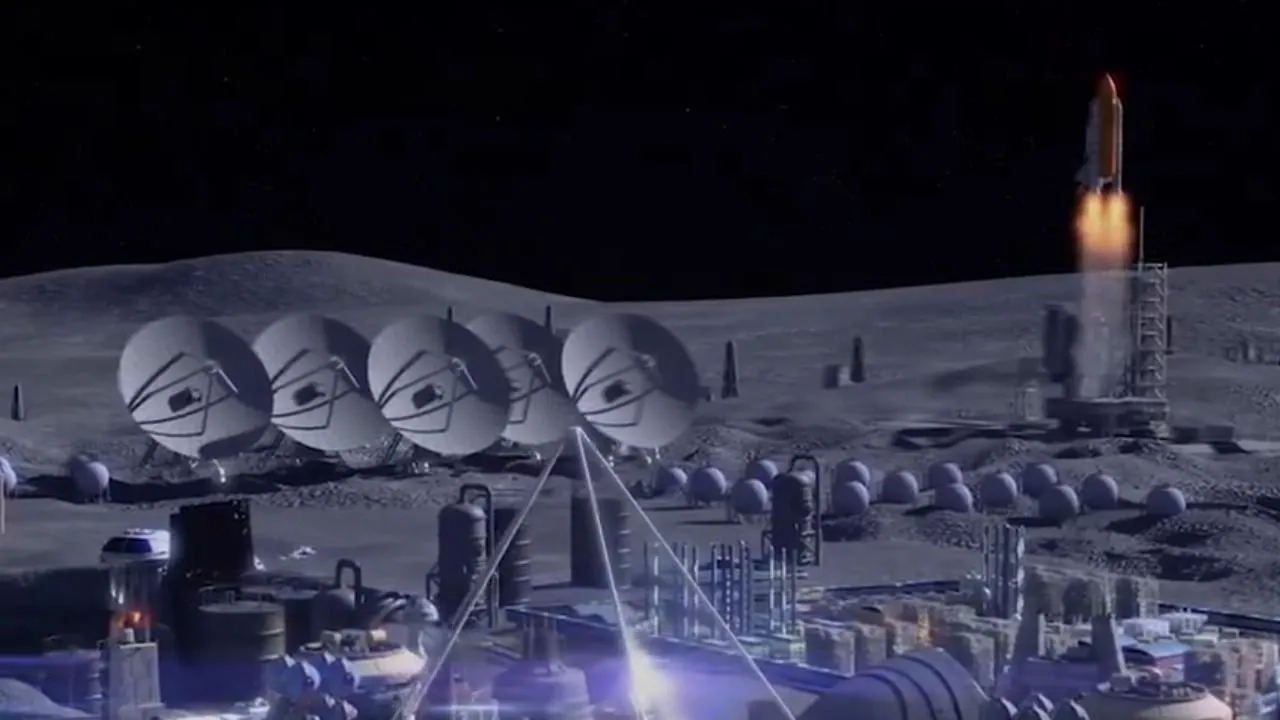
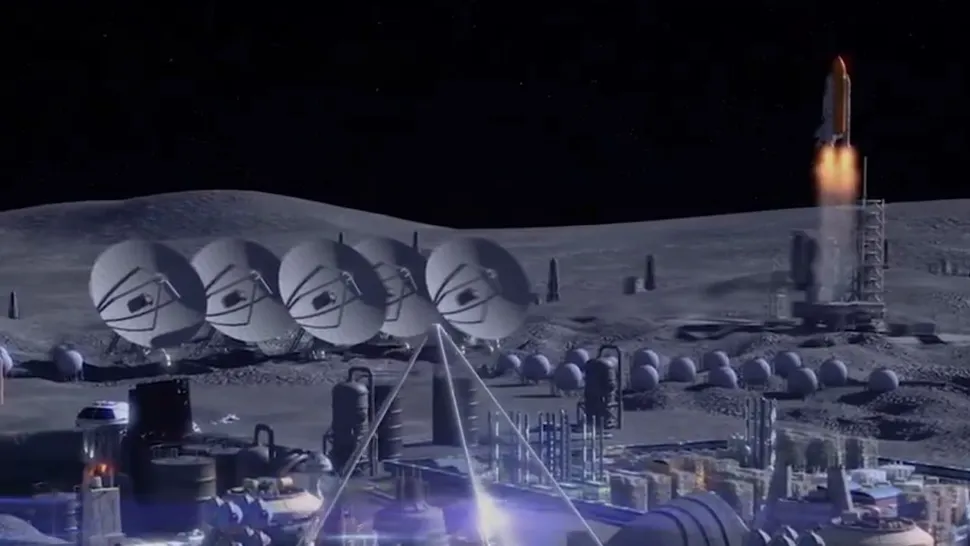
A still from a video released by the China National Space Administration (CNSA) that outlines its concept for a lunar base to be developed across the next couple of decades. (Image credit: China National Space Administration)
Image address: https://cdn.mos.cms.futurecdn.net/cCCrUzXkj2roMmBdDpUT9B-970-80.jpg.webp
The two superpowers are doing their best to be the first to plant their flag on the Moon and both have been working hard to make it happen.
The 2050 View From Earth
By 2050, if things pan out, humans on Earth may be able to see actual buildings on the moon through their telescopes. If there is mining activity, they will also see a lot of fine dust moving over the lunar landscape. We might even be able to see rockets launching and landing, replenishing supplies to the research stations and lunar bases, ferrying loads of helium-3 back to Earth.
Of course, our sky might be so full of satellites by 2050 that we won’t be able to see much anyway!
Humans are reaching out into space. Who knows what the future might look like!
International Observe the Moon with Sidewalk Astronomy 2025
Join the Bendigo members of the Astronomical Society of Victoria on Friday 3rd October just near the Discovery Centre.
The telescopes will be set up near the Discovery Centre at 7.30pm. We will be looking at the moon, but also at Mars, star systems and more. Hope to see you there!
Here is a photo of the Moon taken with my SeeStar S50 smart telescope last year:
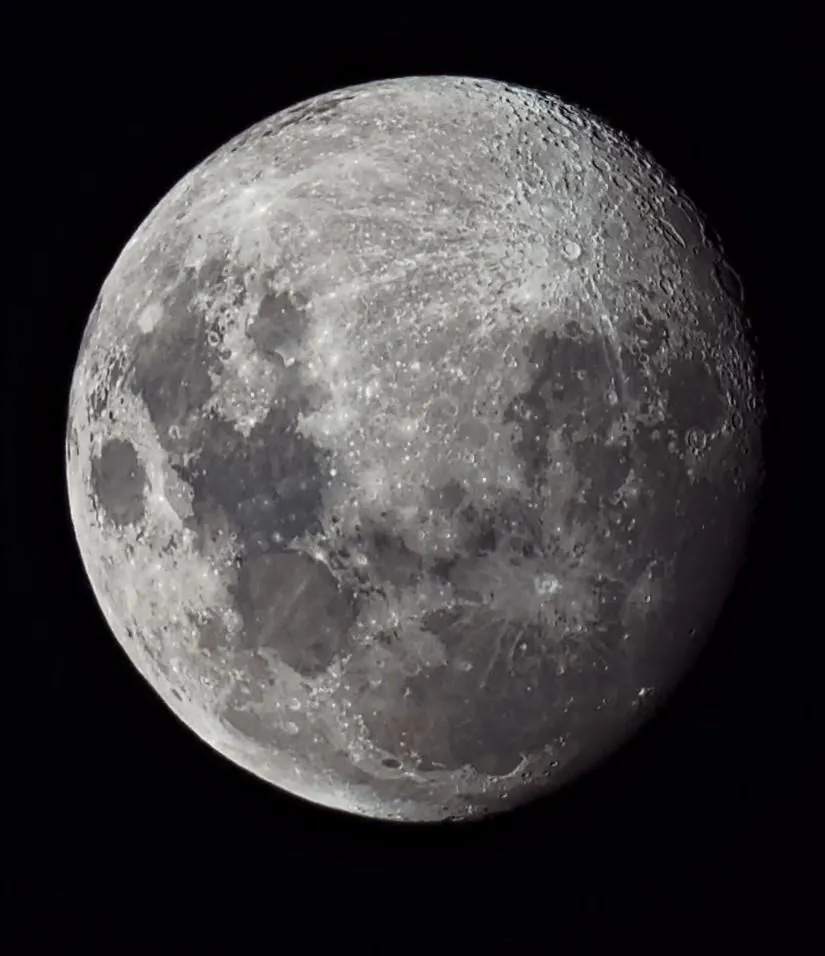
Credit: K.McMillan with SeeStar S50, March 2024
Sign Up To Our Mailing List